Why Premium Fashion Brands Often Avoid Marketplace Dependency
Many fashion founders view marketplaces as the fastest path to growth.
And to be fair, they often are.
Marketplaces provide access to large audiences, built-in trust, and immediate visibility that would otherwise take years to develop independently.
For emerging brands, this can feel like the perfect growth engine.
However, when it comes to premium fashion, growth and brand building are not always the same thing.
The strongest premium fashion brands understand that long-term success is not simply about selling more products. It’s about building a brand customers remember, trust, and actively seek out.
That’s where marketplace dependency becomes an interesting challenge.
The Hidden Cost Of Marketplace Growth
At first, marketplace sales feel like a win.
More traffic. More orders. More visibility.
But over time, something subtle begins to happen.
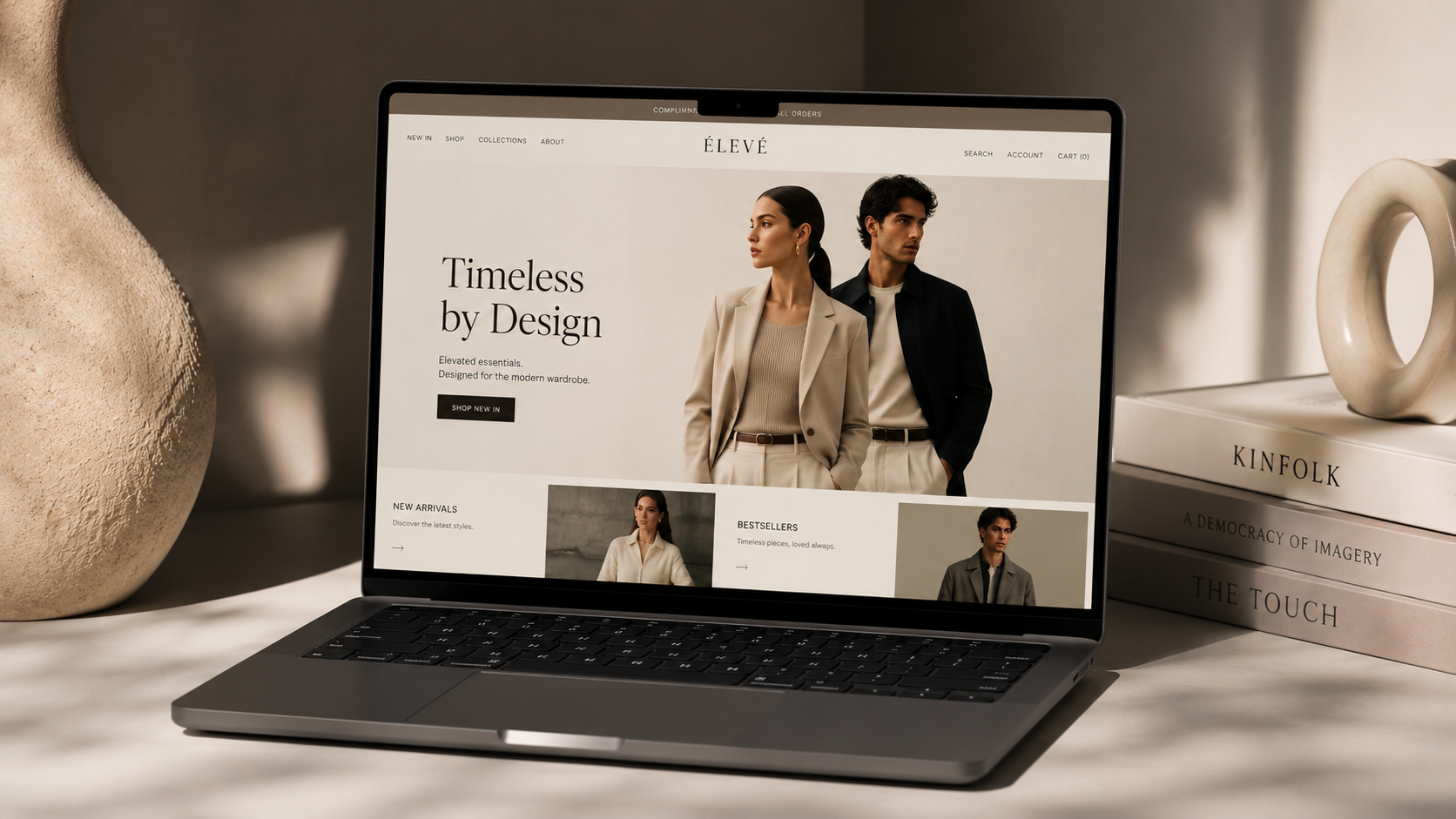
Customers start remembering the marketplace instead of the brand.
Think about your own buying behavior.
How often have you purchased a fashion item and later remembered the platform where you bought it rather than the brand itself?
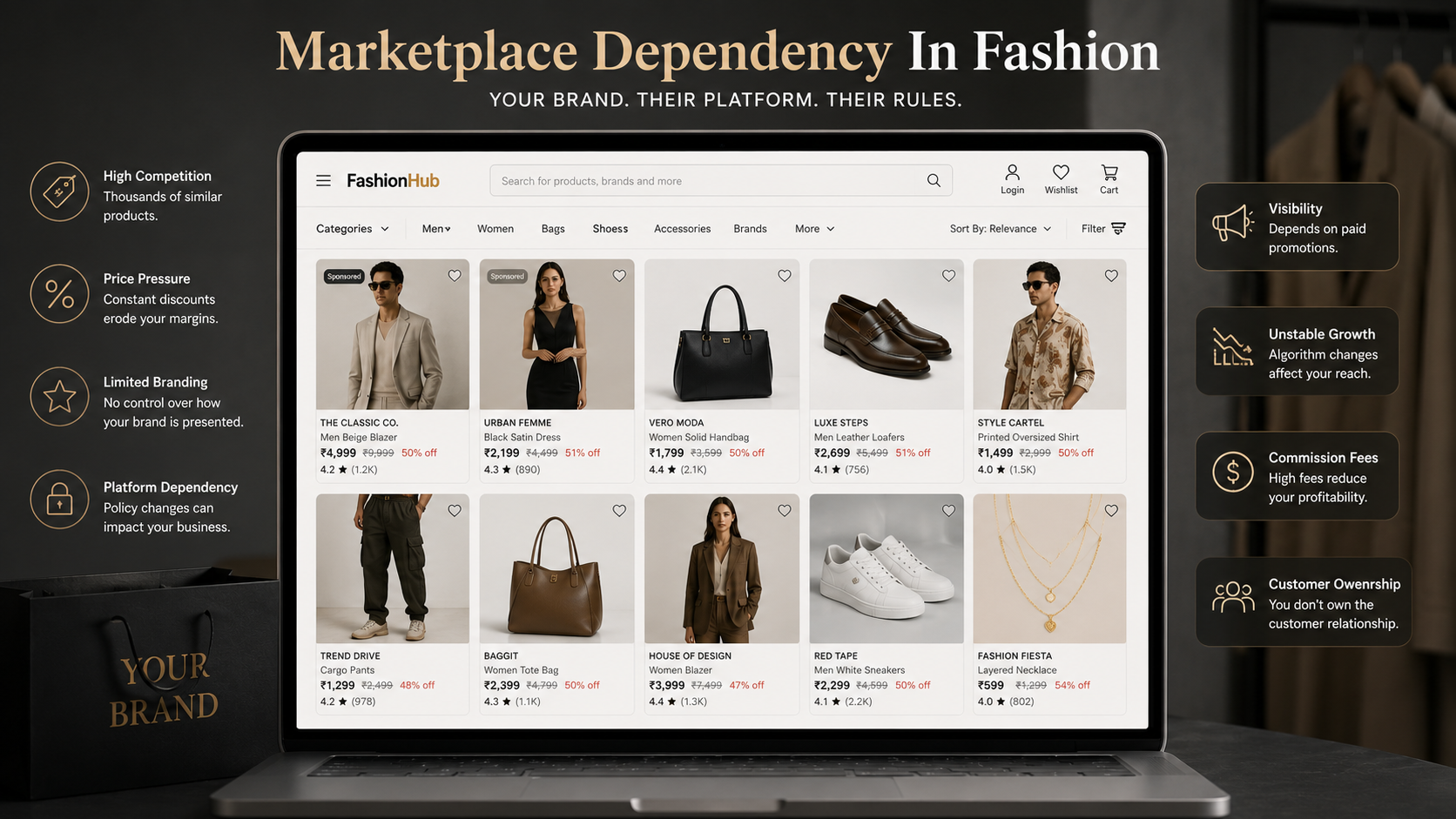
This happens because marketplaces naturally position themselves as the primary destination while brands become one of many options available within that ecosystem.
For commodity products, this may not be a major issue.
For premium fashion brands, it can become a significant problem.
Luxury positioning relies heavily on memory, identity, exclusivity, and emotional connection. When the marketplace becomes the strongest memory customers retain, the brand slowly loses control over the relationship.
Why Premium Fashion Brands Think Differently
Unlike many ecommerce businesses, premium fashion brands are not competing solely on product quality.
They are also competing on perception.
Consumers often purchase premium fashion because of:
- Brand identity
- Aesthetic consistency
- Lifestyle association
- Emotional aspiration
- Exclusivity
These factors are difficult to communicate inside crowded marketplace environments where hundreds of competing products are displayed side by side.
When customers browse marketplaces, they naturally begin comparing:
- Price
- Ratings
- Discounts
- Delivery speed
- Promotional offers
Unfortunately, those are often the exact variables premium brands want to avoid competing on.
Strong fashion brands aim to create distinction rather than comparison.
They want consumers to focus on craftsmanship, design philosophy, styling, quality, and emotional value—not simply who is offering the biggest discount.
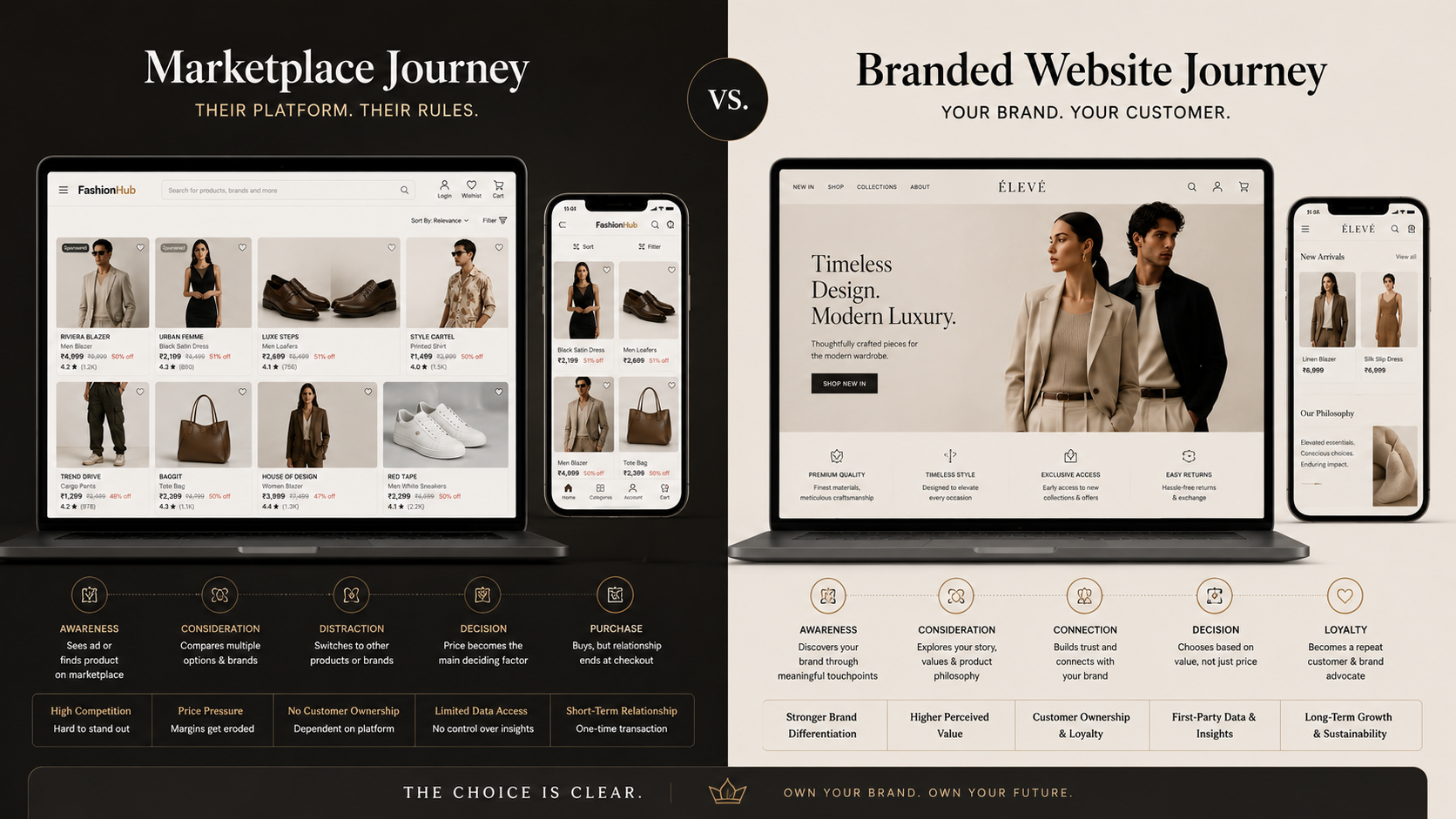
This is one of the reasons many premium fashion brands eventually invest heavily in direct-to-consumer channels alongside marketplace growth.
Because long-term brand equity is often built through direct relationships, not rented audiences.
“`html
The Real Asset Premium Fashion Brands Are Protecting
One of the biggest misconceptions about marketplace dependency is that it is purely a sales channel discussion.
In reality, it is often a customer ownership discussion.
When a customer purchases through your own website, every interaction becomes part of your brand ecosystem.
You begin to understand:
- How customers discovered you
- What products they browse most frequently
- Which collections drive repeat purchases
- What messaging resonates most effectively
- How often they return to purchase again
Over time, this information becomes incredibly valuable.
Because premium fashion brands are rarely built through single transactions.
They’re built through repeated relationships.
The first purchase creates awareness.
The second purchase creates trust.
The third purchase often creates loyalty.
And loyalty is where sustainable growth begins.
Why Customer Ownership Matters More Than Most Founders Realize
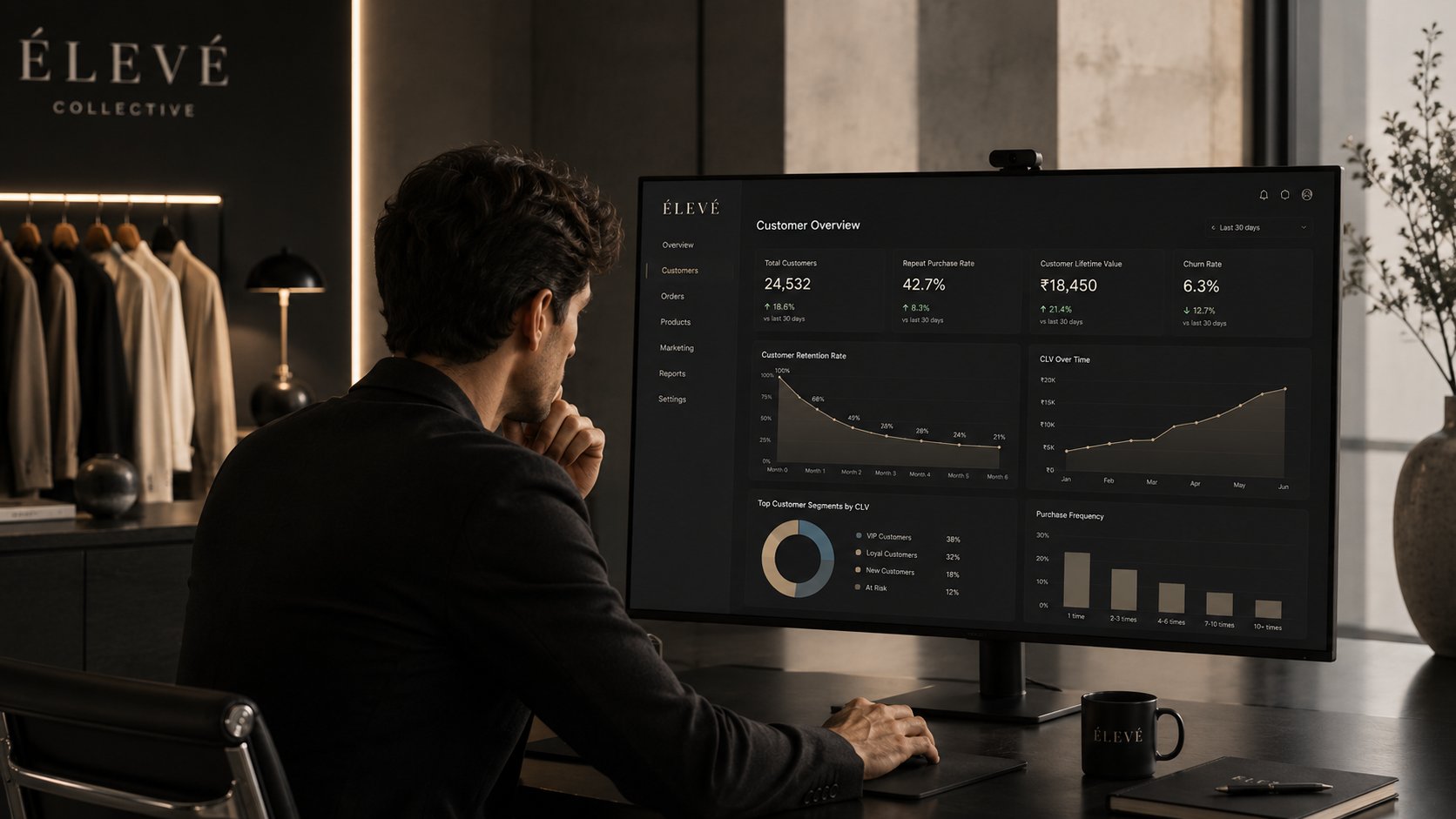
The strongest premium fashion brands understand that customer ownership compounds over time.
Every customer acquired directly creates future opportunities:
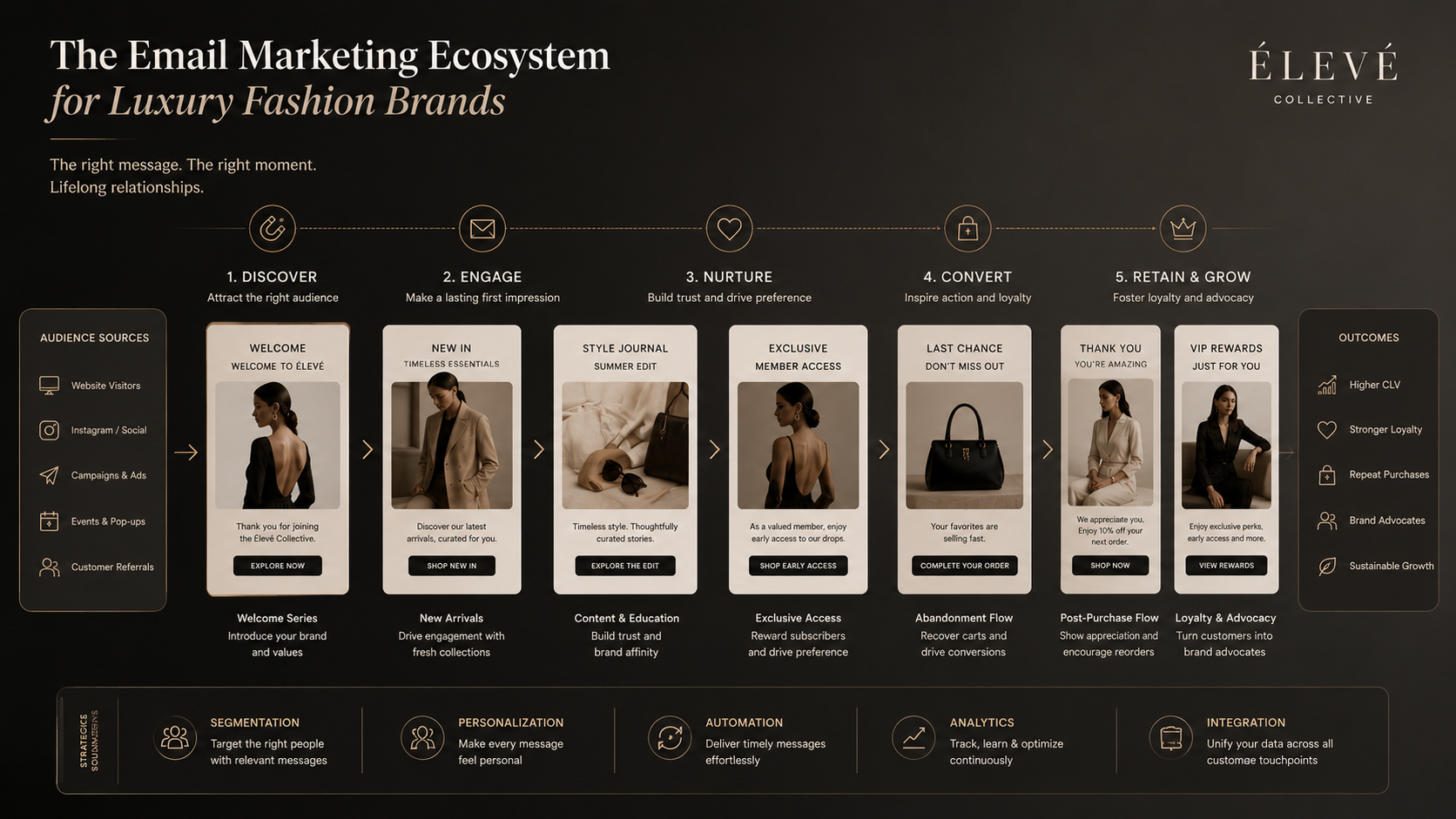
- Email marketing
- SMS communication
- VIP programs
- Collection launches
- Exclusive drops
- Community building
When brands own these relationships, they gain the ability to communicate with customers without continuously paying for visibility.
That advantage becomes increasingly important as acquisition costs rise.
Many brands focus heavily on acquiring customers.
The strongest brands focus equally on retaining them.
Because customer retention often produces significantly higher profitability than customer acquisition alone.
In premium fashion, repeat purchasing behavior frequently determines whether a brand becomes sustainable or remains dependent on constant advertising spend.
The Relationship Between Retention And Brand Equity
Retention is often viewed as an operational metric.
However, in premium fashion, it is also a branding metric.
When customers repeatedly return to purchase from a brand, they are communicating something important:
The brand occupies a meaningful position in their mind.
This is where many premium brands separate themselves from competitors.
Rather than optimizing exclusively for immediate sales, they invest heavily in:
- Customer experience
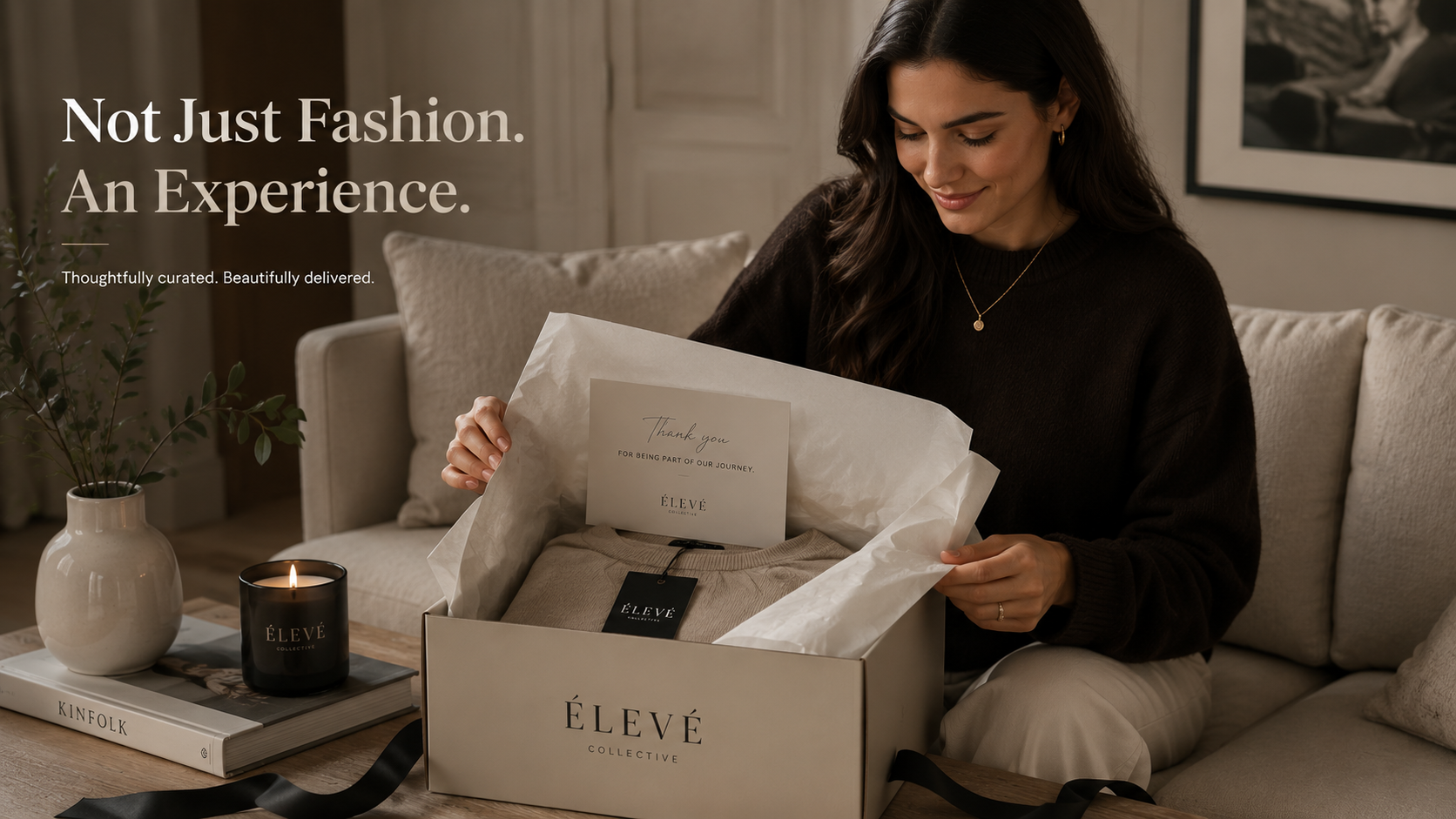
- Packaging
- Storytelling
- Community
- Product consistency
- Brand perception
These investments may not always generate immediate revenue.
However, they strengthen customer memory and emotional attachment over time.
And in fashion, emotional attachment is often one of the most powerful competitive advantages available.
Why Premium Fashion Brands Protect Pricing Power
Another reason many premium brands avoid excessive marketplace dependency is pricing power.
Luxury positioning depends heavily on perceived value.
When consumers begin seeing a brand constantly competing through discounts, promotions, and price comparisons, that perception can gradually weaken.
Over time, customers may become conditioned to evaluate products primarily through price rather than brand value.
This creates a dangerous situation.
Instead of purchasing because they desire the product, customers begin purchasing only when incentives appear.
Strong premium brands work carefully to avoid this shift.
Because once customers become discount-driven, rebuilding premium perception becomes significantly more difficult.
The strongest luxury brands protect pricing power not because they dislike discounts.
They protect it because pricing often communicates positioning.
And positioning is one of the most valuable assets a premium fashion brand can own.
“`
“`html
Why The Strongest Fashion Brands Build Communities, Not Just Customer Lists
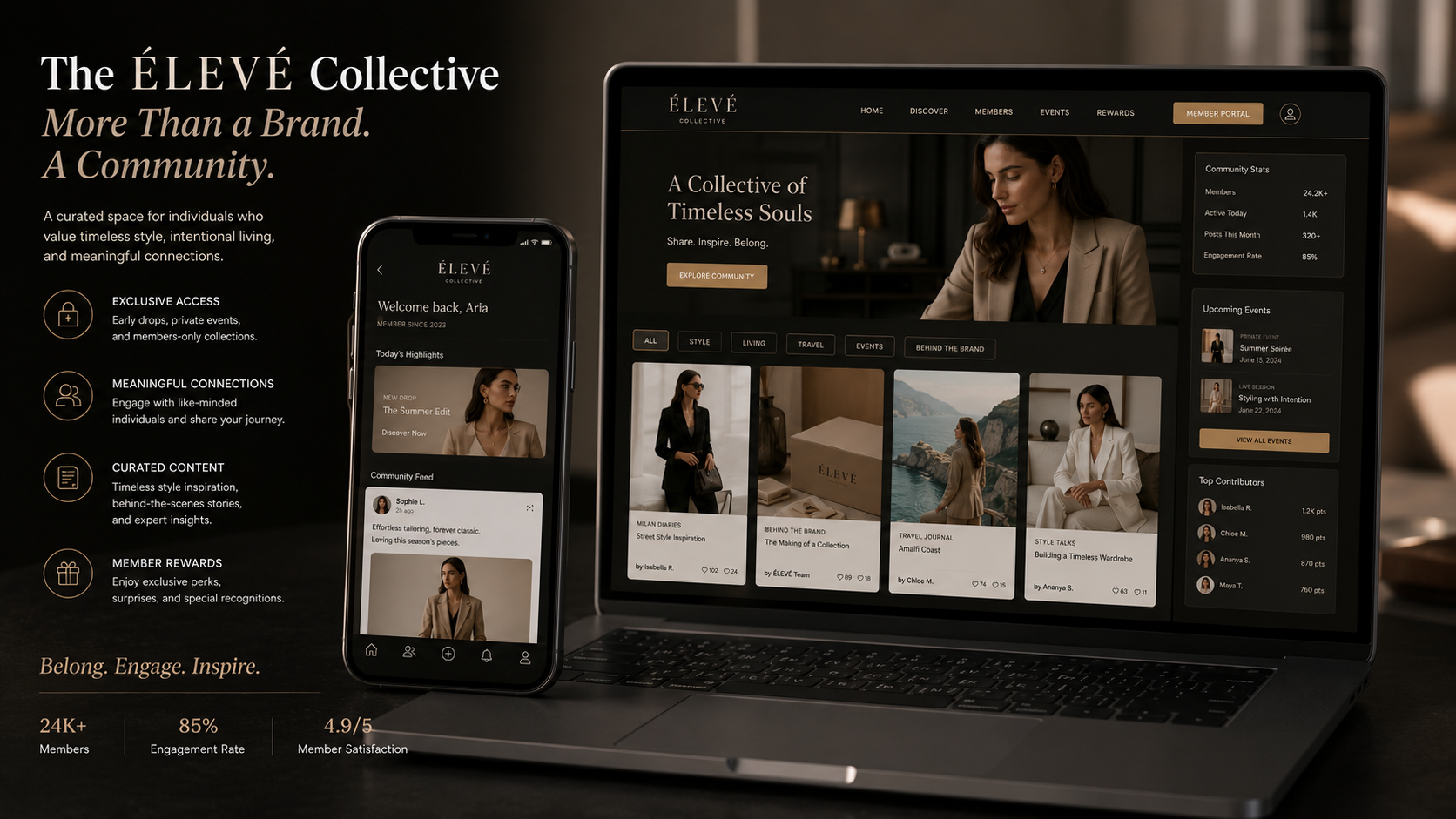
One of the biggest advantages of direct-to-consumer growth is that it allows brands to build something marketplaces simply cannot provide:
Community.
The most successful premium fashion brands rarely think of customers as individual transactions.
Instead, they focus on building an ecosystem around the brand.
This ecosystem often includes:
- Email subscribers
- Social media communities
- Repeat customers
- Brand advocates
- Loyalty members
- VIP buyers
Over time, these communities become powerful growth assets.
Because communities generate something advertising alone cannot:
Trust through familiarity.
Customers begin seeing other customers wearing the products, sharing experiences, and participating in the brand’s journey.
This creates a level of social validation that significantly strengthens long-term customer relationships.
The Direct-To-Consumer Advantage
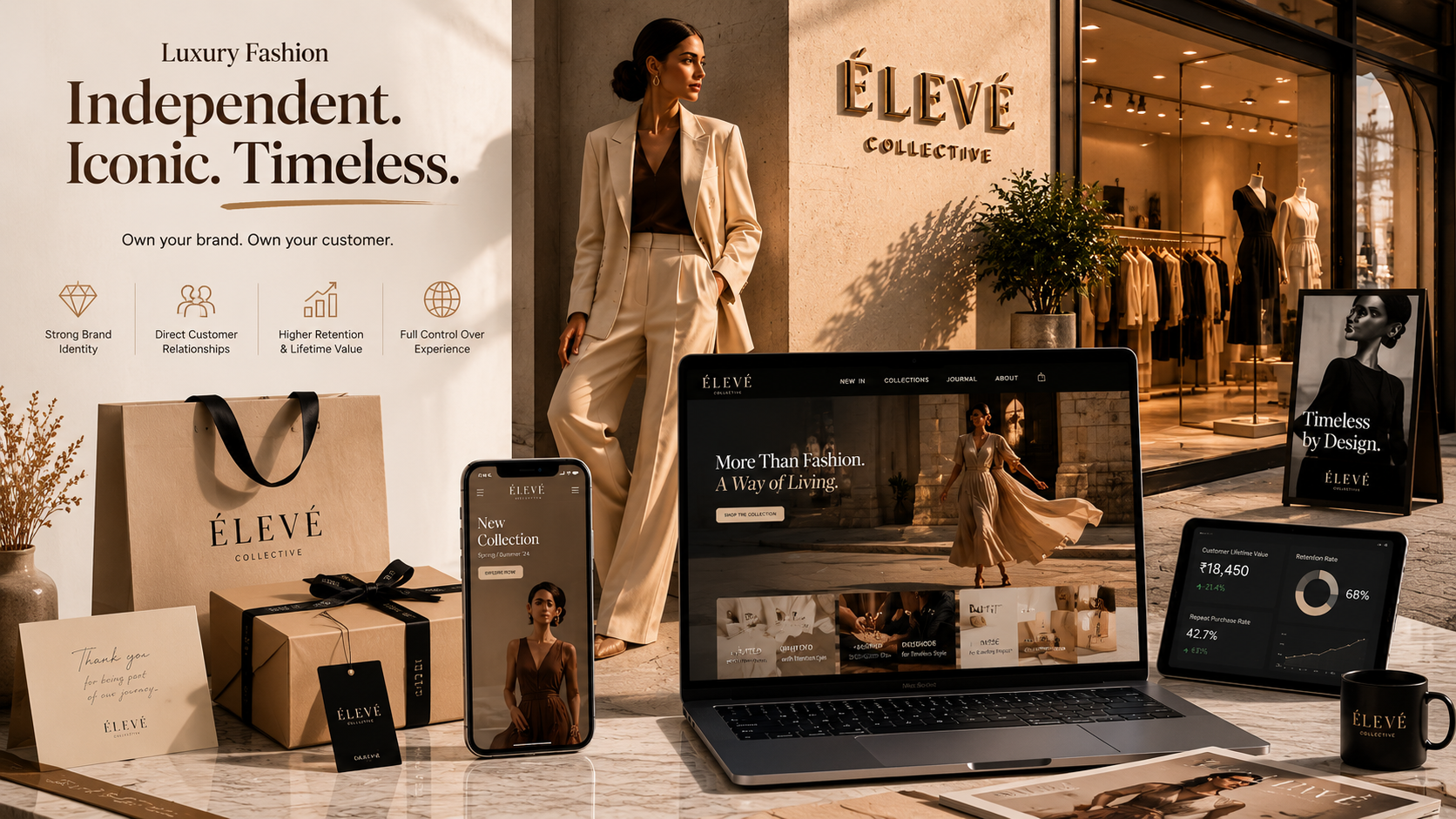
Direct-to-consumer growth gives premium fashion brands greater control over every stage of the customer journey.
From the first advertisement to the final purchase and beyond, the brand controls:
- The messaging
- The visual experience
- The website journey
- The customer communication
- The post-purchase experience
- The retention strategy
This level of control becomes increasingly valuable as brands scale.
Because premium positioning is often built through consistency.
Every interaction should reinforce the same perception:
- Quality
- Exclusivity
- Trust
- Craftsmanship
- Aspirational value
When brands control the experience, maintaining that consistency becomes significantly easier.
And consistency is one of the most important drivers of long-term brand equity.
When Marketplaces Still Make Sense
None of this means marketplaces should be avoided entirely.
In fact, many successful fashion brands continue using marketplaces strategically.
Marketplaces can be incredibly effective for:
- Customer acquisition
- Brand discovery
- Geographic expansion
- Market validation
- Inventory movement
The key difference is that the strongest brands view marketplaces as a channel, not a business model.
They leverage marketplace visibility while simultaneously investing in direct customer relationships.
This creates balance.
The marketplace helps generate awareness.
The brand’s own ecosystem builds loyalty.
Together, they create a more resilient growth strategy.
The Long-Term View Of Fashion Brand Building
The strongest premium fashion brands understand that sustainable growth is rarely built through transactions alone.
It is built through relationships.
Relationships with customers.
Relationships with communities.
Relationships with people who choose the brand repeatedly over time.
That is why customer ownership, retention systems, brand equity, and direct-to-consumer infrastructure have become increasingly important for modern fashion brands.
While marketplaces can accelerate growth, they should rarely become the sole foundation of a premium fashion business.
Because in the long run, the most valuable asset is not the platform generating the sale.
It is the relationship that exists after the sale.
Final Thoughts
Premium fashion brands are not simply competing for purchases.
They are competing for attention, memory, trust, and emotional connection.
Marketplaces can certainly play an important role in growth.
However, the brands that build lasting value often focus on something much bigger than marketplace sales.
They focus on owning the customer relationship.
Because when a brand owns the relationship, it owns the opportunity to create loyalty, build community, strengthen retention, and ultimately develop long-term brand equity.
And in premium fashion, those assets are often far more valuable than a single transaction.
“`